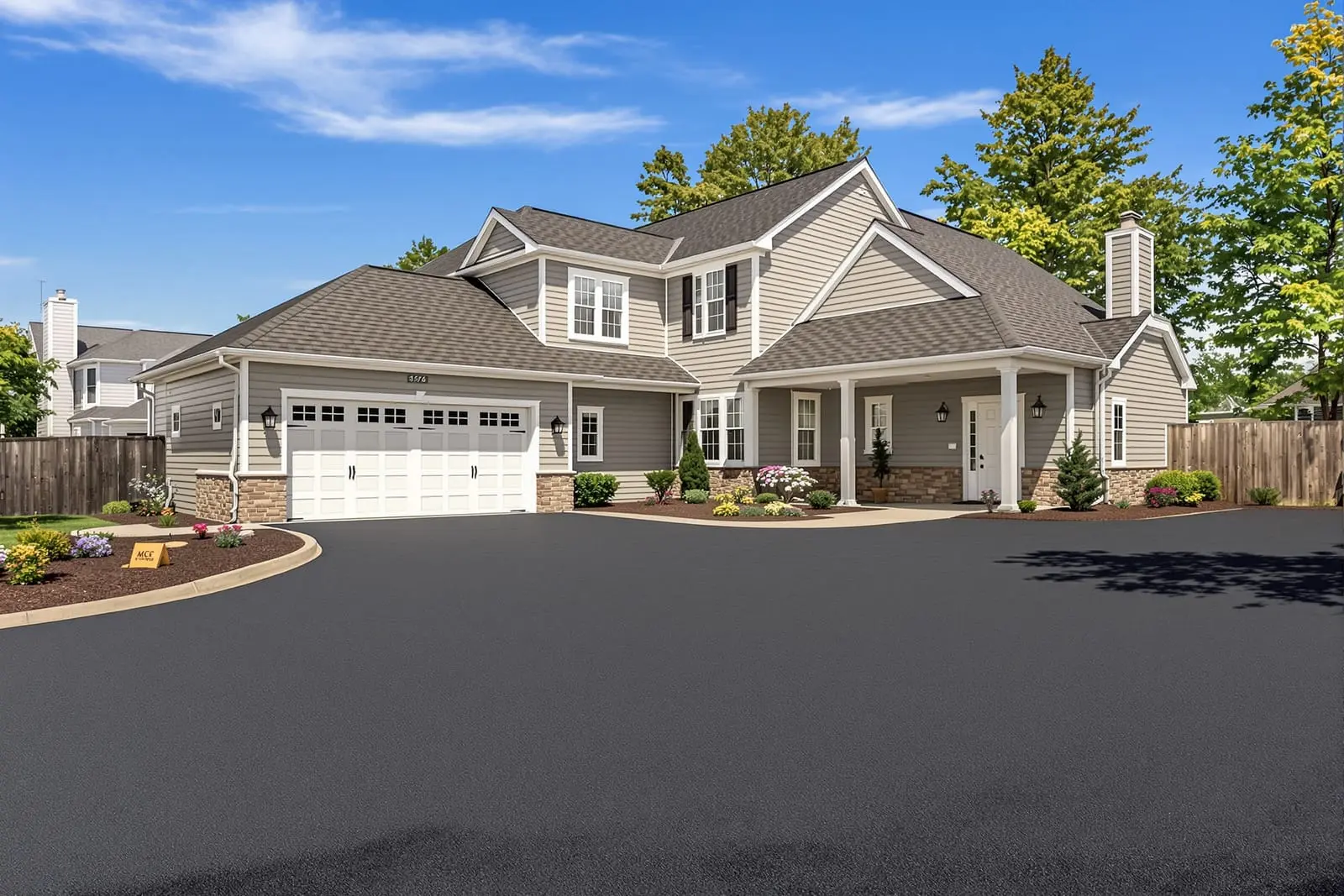
Upgrade dusty gravel lots with commercial gravel to asphalt conversion in Fort Wayne, IN. We regrade, compact, and pave existing gravel areas for cleaner, more professional parking and drives. Our crew designs drainage and thickness to handle your specific vehicle loads and traffic.
Prestige Asphalt Fort Wayne provides professional commercial gravel to asphalt throughout Fort Wayne, IN and the surrounding area. Our licensed, insured crew delivers safe, clean, on-time work with a free estimate before anything begins. Call (260) 286-5320 or request your free quote.
Turn Your Gravel Lot Into a Professional Asphalt Surface
If you are running a business on a gravel parking lot or access road, you already know the headaches: dust on customer vehicles, ruts after every heavy rain, and missing stone tracked into your building. Commercial gravel to asphalt projects are one of the core services at Prestige Asphalt Fort Wayne, and we focus specifically on how these conversions perform in northeast Indiana’s climate.
A properly designed asphalt lot changes how your property works day to day. Snow removal is faster and more complete. Delivery trucks get a smoother, safer path. Customers with mobility challenges find it easier to walk and use wheelchairs or carts. Our goal is not just to “blacktop” your gravel, but to create a commercial surface that holds up under real Fort Wayne conditions, including freeze-thaw cycles, lake-effect moisture, and heavy plow use in winter.
How We Evaluate Your Existing Gravel Lot
Every commercial gravel to asphalt conversion we do in Fort Wayne starts with a site walk, not a generic square-foot price. A project manager from Prestige Asphalt Fort Wayne will inspect your lot for three key things: base strength, drainage behavior, and traffic patterns.
Base strength means checking how deep the existing gravel layer is, whether it is compacted or loose, and what the underlying native soil looks like. Many local properties sit on clay-heavy soils that hold water. If we see pumping or spongy spots underfoot, we know we will need more base correction before asphalt can perform.
For drainage, we look at where water already wants to go. We note low spots where puddles form after a rain, existing ditches or swales, and how close you are to storm drains or retention ponds. Standing water in Fort Wayne winters quickly becomes ice, so we design the asphalt surface to shed water within hours of a storm.
We also document traffic. A medical office has different wear patterns than a trucking terminal or manufacturing plant. We count access points, turning areas, and where semis might sit and twist their tires. This evaluation determines pavement thickness, base upgrades, and whether we recommend any layout changes before we pave.
Step-by-Step: Our Commercial Gravel-to-Asphalt Process
Once we understand the site, Prestige Asphalt Fort Wayne follows a clear sequence to take your surface from loose stone to finished asphalt.
1. Grading and reshaping: We bring in graders and compactors to reshape the existing gravel. High spots are cut down and low areas are filled to create consistent slopes toward ditches, inlets, or edges. This step is critical and we spend extra time getting it right because in our climate poor grade will show up as ice patches every winter.
2. Base correction: Soft or pumping areas get excavated. We typically install compacted crushed limestone or recycled concrete aggregate, placed in layers and compacted with vibratory rollers. For truck routes or dumpster pads, we may recommend a thicker aggregate base to reduce rutting.
3. Proof-rolling: On many commercial projects we run a loaded truck over the prepared base and watch for deflection. Any areas that move or rut are corrected before paving starts. This prevents early cracking and potholes.
4. Binder course installation: On heavier duty lots we first place a thicker, coarser asphalt binder course. This forms the structural backbone of the pavement. The mix type and thickness depend on expected truck traffic.
5. Surface course paving: We then install a smoother riding surface course, usually 1.5 to 2 inches compacted for standard commercial use. For loading zones or frequent semi traffic, we may recommend slightly thicker sections.
6. Compaction and finishing: Multiple passes with steel drum rollers lock the asphalt in. We hand-finish around inlets, curbs, and building entrances to create clean transitions that will not catch snowplow blades.
7. Striping and traffic control: After initial curing, we apply layout markings, ADA compliant stalls, directional arrows, and any required fire lanes so your lot is ready for customers.
Design Choices For Your Fort Wayne Commercial Lot
Converting from gravel to asphalt is a chance to fix layout issues that have bugged you for years. Prestige Asphalt Fort Wayne can help you rethink traffic flow, stall sizes, and pedestrian paths as part of the paving plan.
We can widen drives where trucks struggle to turn, add defined loading zones, or adjust stall angles to get more parking in the same footprint. For medical offices, churches, and retail in Fort Wayne, we often recommend clearer pedestrian walkways that keep foot traffic away from busy drive lanes.
You can choose between different asphalt structures based on your needs and budget. Lighter duty sections are fine for employee parking with mostly cars. Heavier sections with thicker binder and base are better for warehousing, industrial sites, and fuel or delivery areas. We explain the tradeoffs in plain language so you understand what you are buying.
We also discuss edges and transitions. In some cases, a rolled asphalt edge works well. In others, especially near landscaping or sidewalks, concrete curbing provides better long term control of water and keeps the asphalt from unraveling at the sides.
What Drives Cost In Commercial Gravel-to-Asphalt Projects
Many property managers start with, “What is your price per square foot?” For commercial gravel to asphalt work, that number depends heavily on conditions that are specific to your Fort Wayne site.
Major cost drivers include how much base correction is needed, the thickness of asphalt required for your traffic, and any drainage improvements. If your existing gravel is already deep and well compacted, cost can be lower because we can build on it. If we uncover saturated clay with poor support, we may need excavation and additional stone.
Drainage work, such as new catch basins, adjusting manholes, or adding underdrain, can add cost but often saves money over time by preventing alligator cracking and potholes from trapped water. On the asphalt side, a trucking facility with constant semi traffic might require several extra inches of pavement compared to a small office lot.
Access and phasing also affect pricing. If we have to keep half your lot open for customers at all times, we will divide work into phases and use additional traffic control, which can extend the project and increase labor. During our site visit, Prestige Asphalt Fort Wayne lays out these variables so your quote fits real conditions, not a generic template.
Local Timing, Weather, and Maintenance Considerations
Fort Wayne’s weather shapes how and when we perform gravel-to-asphalt conversions. We typically schedule larger commercial projects from late spring through early fall when daytime temperatures stay warm enough for proper asphalt compaction and bonding. Early spring and late fall jobs may require tighter temperature windows and faster paving cycles.
Because of our freeze-thaw cycles, it is important to avoid trapping water in the base. We plan grading and drainage so that when snow melts or heavy rains hit, water moves off the pavement quickly. We also pay attention to how your snow removal is done. During planning, we often talk with your maintenance team about where plowed snow will be stacked so we can reinforce those areas if needed.
After the new asphalt is in place, we recommend a simple maintenance schedule. Keep the lot clean of debris and spilled oil, address any standing water spots that appear, and consider sealcoating after the first couple of years once the pavement has fully cured. For heavy commercial users, periodic crack sealing helps keep water out and extends life. Prestige Asphalt Fort Wayne can set up a maintenance plan tailored to how your property is used, not just a standard calendar reminder.
Working With Prestige Asphalt Fort Wayne On Your Conversion
We understand that shutting down part of your lot affects customers, employees, and deliveries. When we take on a commercial gravel to asphalt project, we start with a staging and traffic plan that fits your operation. For medical offices and retail, we often pave in sections and schedule the most disruptive work during off-peak hours or weekends when possible.
Communication is a priority. You will have a single point of contact who keeps you updated on weather delays, phase changes, and when each portion of the lot will reopen. We post clear signage and set up cones and barricades so visitors know exactly where to park and how to enter during construction.
Our crews are local, so we are familiar with Fort Wayne permitting requirements, ADA parking rules, school schedules near your property, and seasonal events that might affect traffic. When the project is complete, we walk the site with you, address any concerns, and explain how to use the new surface in the first few days while it cools and hardens.
If you are ready to look at converting your gravel lot to asphalt, Prestige Asphalt Fort Wayne will provide a detailed plan that covers base preparation, drainage, phasing, and long term performance so you can invest confidently in your commercial property.
“
Professional commercial gravel-to-asphalt conversions, done right the first time, quality materials, honest pricing, and results that last.
Prestige Asphalt Fort Wayne
Commercial Gravel-to-Asphalt Conversions Across Our Service Area