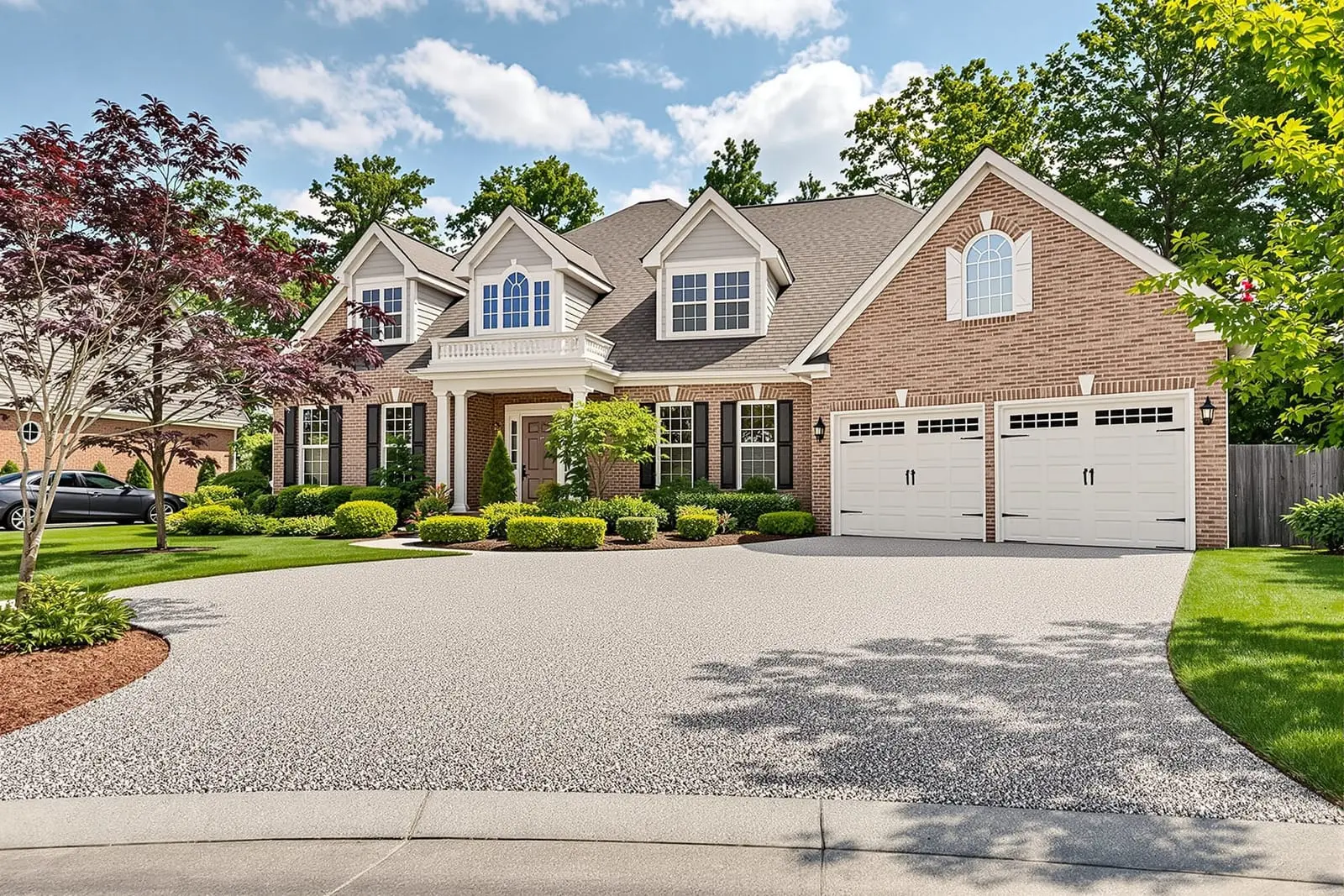
Say goodbye to mud and dust with gravel to asphalt conversion in Fort Wayne, IN. We reshape and compact your existing gravel drive, then pave it with smooth asphalt. Our team designs proper drainage and edges so your new surface is cleaner, easier to maintain, and more attractive.
Prestige Asphalt Fort Wayne provides professional gravel to asphalt conversion throughout Fort Wayne, IN and the surrounding area. Our licensed, insured crew delivers safe, clean, on-time work with a free estimate before anything begins. Call (260) 286-5320 or request your free quote.
Gravel-to-asphalt conversions in Fort Wayne done the right way
If your gravel driveway or parking area keeps washing out, ruts up after every rain, or tracks mud into the garage, a gravel to asphalt conversion can be a permanent fix. Prestige Asphalt Fort Wayne focuses specifically on turning existing gravel surfaces into smooth, durable asphalt that stands up to northeast Indiana weather.
We do not simply pave over loose stone. A successful conversion starts with evaluating the existing gravel, the soil underneath, drainage patterns, and how you actually use the space. A long, narrow driveway that sees two cars a day is not designed the same way as a small commercial lot with truck traffic and delivery vans. We match the asphalt design to your conditions so you get a surface that holds up for years instead of just looking good on day one.
Our team lives and works in the Fort Wayne area, so we are familiar with local clay soils, freeze-thaw cycles, and the way spring rains can expose weak spots. That local experience guides every decision, from how deep we compact the base to where we direct runoff so you are not fighting puddles and potholes every season.
Step-by-step process for converting gravel to asphalt
A proper gravel to asphalt conversion follows a specific sequence. Prestige Asphalt Fort Wayne begins by stripping loose stone, organic material, and soft spots so we are not building on top of a shifting layer. We often regrade and reuse existing gravel as part of the base if it is clean and of the right size, which can save on materials while still meeting structural needs.
Next, we perform fine grading and shaping. This is where we establish the correct slope away from buildings and toward planned drainage points. On typical Fort Wayne residential driveways, we aim for a minimum of 2 percent slope where possible, enough to move water without making the drive uncomfortable to walk or park on.
After grading, we mechanically compact the base with vibratory rollers or plate compactors, layer by layer. For conversions, base thickness usually ranges from 4 to 8 inches, depending on soil strength and expected traffic. If we discover weak subgrade soils, we may undercut and replace them with compactable aggregate or use a stabilization fabric to separate clay from the stone.
Only once the base meets density and stability targets do we place asphalt. For light residential driveways, we typically install 2.5 to 3 inches of compacted hot-mix asphalt. For heavier use, that can increase to a multi-layer system with a thicker binder course and a separate surface course. We finish by rolling the asphalt to a tight, even surface and sealing joint edges where it meets concrete, garage slabs, or the street.
Local site conditions that affect your project
Gravel to asphalt conversions in Fort Wayne are influenced by our specific climate and soils. Many properties in and around Allen County sit on moisture-holding clay that can pump and move if it is not handled correctly. Prestige Asphalt Fort Wayne tests and probes the subgrade to see whether it will support asphalt directly or needs strengthening first.
Freeze-thaw action is another local concern. Water that seeps into a thin or poorly compacted base will freeze in winter, lift the surface, then drop it again as it thaws, which leads to cracks and dips. To reduce that risk, we design your driveway or lot so that water sheds quickly and does not pool. In some cases we add shallow swales, install simple drainage inlets, or adjust elevations near garages and walks to control runoff.
Access is also a practical factor. In rural Fort Wayne and surrounding townships, we often see long gravel lanes with soft shoulders. To get our equipment in safely and avoid damaging your property, we may stabilize certain spots or stage materials near the road and work inward. Urban and subdivision settings create different constraints related to tight driveways, neighbors, and city right-of-way rules, which we plan for in advance.
What influences cost on a gravel-to-asphalt conversion
Homeowners often ask why two gravel to asphalt conversion projects that look similar can have very different prices. The biggest cost driver is what lies underneath the existing gravel. If the base is thick, clean, and well compacted, we can often work with it and focus on grading and asphalt placement. If the area has soft spots, standing water, or a thin stone section that was just spread on top of topsoil, we may need to excavate and rebuild the base.
Project size and layout also matter. A straight, open driveway off a main road costs less per square foot than a winding, narrow lane with trees, fences, or tight turns that slow production. Every extra hour of machine time and hand work shows up in the final price. For parking lots or shared drives, how many parking stalls you need and where you want traffic to flow affect line striping, curb transitions, and any concrete work at entrances.
Asphalt thickness and mix type impact cost as well. Prestige Asphalt Fort Wayne will propose at least a 2.5 inch compacted layer for residential conversions, but we may recommend more if you park RVs, boats, or work trucks. Commercial or farm use often needs thicker sections. We explain these options as line items so you can see what you are paying for and why a slightly higher upfront investment may prevent expensive repairs later.
Design choices: thickness, edges, and drainage details
A gravel to asphalt conversion is a chance to fix annoyances in your current layout and make the area easier to maintain. Prestige Asphalt Fort Wayne reviews design details with you during the estimate so you are not surprised later.
Thickness is the first design choice. For light residential use, 2.5 to 3 inches of compacted asphalt over a solid base is typical. If you have delivery trucks, trailers, or frequent turning traffic, we may specify 3.5 to 4 inches or build a two-course system. That extra material increases strength, especially where vehicles turn or brake.
Edges are another important decision. You can leave asphalt edges supported only by compacted stone, but in Fort Wayne's wet seasons that can lead to edge cracking if vehicles drive off the side. We might recommend widening the paved area slightly, adding topsoil and grass up to the edge for support, or using concrete bands at garage fronts or high stress areas. Each option has a different look and price, and we will explain the tradeoffs.
Drainage features can be subtle but critical. Mild crown (a gentle ridge in the center) in longer driveways helps water run off both sides. At low spots near the house, we may grade shallow channels to move water away from foundations. If you already fight water coming toward the garage from the street, we can discuss trench drains or regrading to redirect flow before new asphalt goes down.
Common problems and how we prevent them
Not all gravel to asphalt conversions are done correctly. Prestige Asphalt Fort Wayne is often called to repair projects that failed early because key steps were skipped. One common issue is paving directly over loose or dirty gravel. The asphalt seems solid at first, but as vehicles use it, the base shifts and cracks form. We avoid this by cleaning, compacting, and in many cases rebuilding base material before any asphalt is placed.
Poor drainage is another frequent problem. If an installer does not take the time to set elevations and slopes correctly, water may sit in shallow depressions or run against the house. In our projects, we shoot grades and mark reference points before grading so we can verify that water flows to safe areas. When necessary, we coordinate with you about gutter downspouts and landscape changes that could improve performance.
Thin asphalt is a third issue. It is possible to lay a very thin layer to reduce cost, but this usually leads to early cracking, scuffing, and raveling, especially where tires turn. We cut core samples on some jobs or at least monitor paving depth in the field to make sure you get the thickness you are paying for. Our goal is a surface that still looks solid years from now, not just on the first day.
Finally, timing matters. In cooler months around Fort Wayne, asphalt must be laid and compacted quickly before it cools too much. Our crews size each day's work so material comes from the plant, reaches your property, gets placed, and is compacted within the right temperature range, which is important for density and long-term durability.
What to expect when you hire Prestige Asphalt Fort Wayne
From the initial visit to the final roller pass, we keep the gravel to asphalt conversion process straightforward and predictable. We start with an on-site evaluation, measuring the area, checking depths, and noting drainage paths, buildings, and any problem spots. You receive a written proposal that outlines base work, asphalt thickness, and any optional upgrades like additional widening, drainage improvements, or concrete transitions.
Before work begins, we confirm dates and discuss access. For most residential driveways, you can drive on the new asphalt within 24 to 48 hours, although heavy vehicles may need to wait slightly longer in hot weather. We ask that you move vehicles, trailers, and portable items out of the work zone in advance so the crew can work efficiently and safely.
During construction, our foreman will be on site to answer questions and point out any unexpected findings, such as hidden soft spots or buried debris in the old gravel base. If any changes are needed, we talk through them before proceeding. At the end of the job, we provide care guidelines that are specific to your project and our climate, such as how to avoid scuffing in the first weeks, when to consider sealing, and what to watch for after the first winter.
Prestige Asphalt Fort Wayne builds conversions that are meant to last. By focusing on base preparation, drainage, and the right asphalt design for your use, we turn dusty, rutted gravel into a clean, solid surface that makes daily life easier and adds curb appeal to your property.
“
Professional gravel-to-asphalt conversions, done right the first time, quality materials, honest pricing, and results that last.
Prestige Asphalt Fort Wayne
Gravel-to-Asphalt Conversions Across Our Service Area